K. Udo Funke

BART:
Backbone of the Bay?!

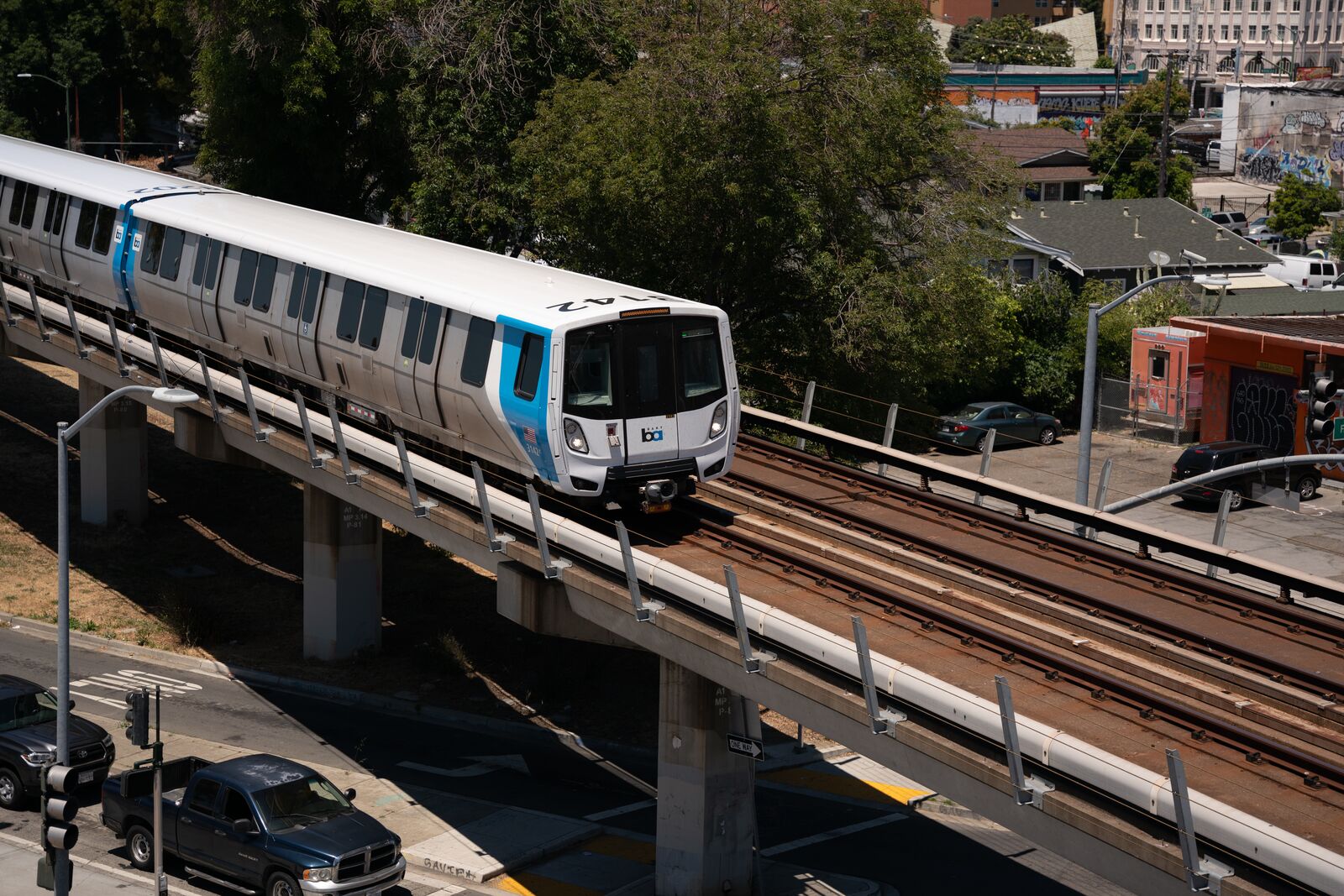
Even with financial inequities, funding issues, construction displacement, and a massive financial crisis, BART is still a net positive public good. Even with its legacy as a 131-mile network that's been connecting the Bay Area for over 50 years, whether it survives the next five is now an open question decided this November.

Scroll down! :3
01 - History & Context

Post-War Uprising and the Transit Crisis

In the late 1940s and 1950s, the Bay Area was experiencing one of the largest suburban migrations in U.S. history. Families ran into new tract-home suburbs and were pretty much entirely dependent on cars. The Bay Bridge was gridlocked daily... something had to give.

By 1950, the Bay Area's population had passed 2.6 million, and it was projected to double in just the next few years. For this reason, in 1951, a Joint Army-Navy Board first proposed a trains-bay railway tube system. The California Legislature approved the BART Commission in 1957. Originally, all five Bay Area counties were supposed to be included, but after years of political issues, the original vision was narrowed down to only three counties - Alameda, Contra Costa, and San Francisco. In 1962, voters were asked to fund it... ...that went over well.

1945-1950
Post-War Population Explodes
The Bay Area's population surges as WWII veterans return and war industry workers settle permanently. Car ownership rates triple, and the Easy Bay sprawls outward. The Key System electric railway, which was already very old at the time, struggles to keep place with the ever-increasing demand.
1951
The First Rail Proposal
A Joint Army-Navy Board recommends a trans-bay tube railway connection. The California Legislature begins studying a comprehensive Bay Area transit network. The idea of "rapid transit" that isn't street-level enters the regional conversation.
1957
BART Commission Established
The Bay Area Rapid Transit (later BART) Commission is created by the state. Engineering firms start studies for a regional railway network spanning nine counties. While unfeasible, the ambition was definitely extraordinary.
1958-1961
Political Fractures
San Mateo County withdraws from BART planning due to cost issues, and Marin follows - mainly due to homeowner opposition to property tax increases. The district finally shrinks from nine to five to three counties, which defeats the whole purpose of BART's reach.
November 1962
Bond Measure Passes for $792M Funding
Voters in three counties approve one of the largest local bond measures in US history at the time, with about 61% support. Construction is (finally) authorized, and the green light is given for BART to start (see what I did there?)
1964-1972
Eight Years of Construction Begin
Cost overruns from engineering complexity and the total cost is pushed to $1.6 BILLION USD - more than double the original projected amount. Entire blocks in Oakland and SF are displaced for BART's initial developments to start.
September 1972
First BART Line Opens
BART opens its first seegment between Fremont and MacArthur. It's official - full trans-bay service begins in 1974, after 22 years of planning. Finally, BART as we know it today has been born.
02
02 - What Was in Place Before

The Key System and Its Dismantling

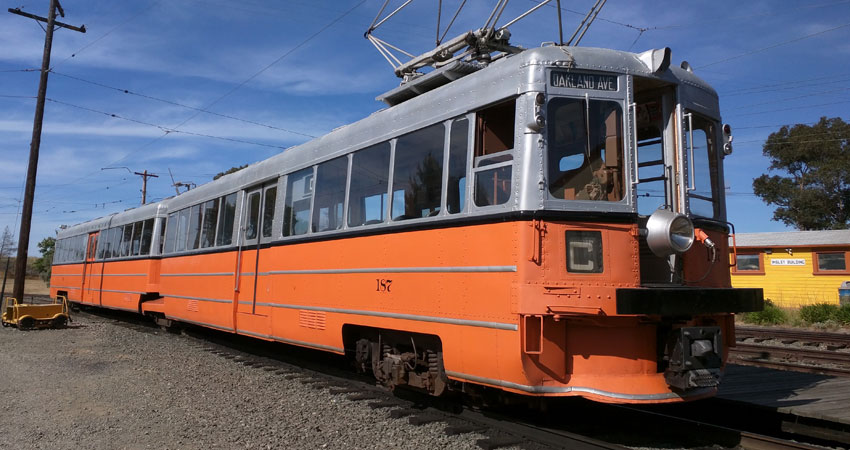
Before BART, the Bay Area had the Key System, which was a privately operated electric railway that ran from the Easy Bay into San Francisco via the Bay Bridge's lower deck. At its peak in the 1930s, it carried hundreds of thousands of passengers every single day.

By the late 1940s, the Key system was being run down - deliberately. National City Lines - a holding company backed by General Motors, Firestone, Standard Oil, and Mack Trucks - had purchased transit systems across American cities and replaced electric trains with diesel buses. They bought the Key System in 1946. By 1958, the system was gradually phased out, with the last trains running in the early 1950s.

This left the Bay Area with no cross-bay transit save for a few occasional buses accross four to seven different non-unified transit systems. Muni, for example, ran only in SF, and AC transit only in the East Bay. There was no unified way to go accross counties with a single ticket and schedule. A commute from Marin to central SF could take 30 minutes by car and over two hours by bus.

"The Key System once carried 25 million passengers per year. By the time it was abandoned, that network was lost - replaced by diesel buses on a Bay Bridge that could not carry the region's growing demand alone."
- Bay Area Transportation History
225
Key System Miles
1958
Key System Ended
200,000
Avg. Daily Bay Bridge Vehicles
4
Non-Unified Transit Agencies
03
03 - Cost & Funding

How $1.6 Billion Was Built and Paid For

The 1962 bond measure authorized $792 Million in funding. By completion, BART's total cost had doubled to $1.6 Billion - mainly due to complexity, inflation, and the completely underestimated scope. This cost overrun was a political controversy for years, and is still a factor in today's financial crisis.

Funding primarily came from three sources: local property taxes, federal grants, and farebox revenue. Of this, about 20% was federal grants, 20% property taxes, and 50% farebox revenue. Unfortunately, the actual farebox revenue received could not keep up with BART's growing demand.

Today, fares only cover about 30% of operating costs. The other 70% comes mainly from property taxes, state funds, and federal grants. Every homeowner in a BART county pays higher property taxes due to BART's existence - even if they just use a car and have never boarded a BART train in their life.

$792M
Original Bond
$1.6B
Final Cost
$3.5B
2026 Measure RR
$376M
Current FY27 Deficit
Annual Revenue by Source 2018-2023 in Million USD
Property Taxes
38%
Farebox Revenue
30%
Federal Grants
18%
State Funds
10%
Other / Misc.
4%
04
04 - Stakeholders

Who Were The Players?!

BART was not easy to implement - it was a constant battle between business and political interests, community advocates, and homeowners, all of which had different ideas and visions for BART's existence.

Pro-BART
  • Bay Area Council
  • Downtown SF Property Owners
  • Governor Pat Brown (1959-67)
  • Federal Officials
  • Engineers & Planners
Anti-BART
  • San Mateo & Marin County Homeowners
  • West Oakland & Mission District Homeowkers
  • Highway & Auto Industry, Gas Stations
  • Small Business Owners
  • Homeowners Along BART Route During Construction
05
05 - Construction Era Externalities (1964-1980)

Who Won and Lost During Construction

A $1.6B infrastructure project's costs and benefits aren't exactly distributed equally. Instead, they're concentrated based on race, power, and location.

Positive Externalities
Regional Employment

Construction generated an estimated 100,000 job-years - steelworkers, construction workers, electricians, even tunnel engineers were desparately needed - at a time when manufacturing jobs were starting their decline, this came quite welcome.

Station-Area Property Cost

Properties within like half a mile of projected BART stations got value premiums of 15-25% even before the trains started running. This caused a net positive externality for landowners that rushed to sell their properties.

Anchoring of Downtown SF

The BART stations at the Embarcadero, Montgomery, Powell, and at the Civic Center all improved the commuter capacity of San Francisco and prevented the hollowing trend that hit most American cities in the 1970s.

National Policy and Role Model

BART's model became a template for so many other cities. Atlanta (1979), Washington D.C. (1976), and Baltimore (1983) all built on BART's financial system within a decade. This was arguably the most positive externality that came from BART at the time.

Negative Externalities
Community Displacement

Elevated tracks tore through Oakland, the Mission, and working-class suburbs and corridors. This caused severe disruption amongst smaller home communities, and communities of color, which usually lived in more working-class neighborhoods at the time, had to bear the noise and vibration of the construction a disproportionately high amount.

Transit Inexistent During Construction

The 8-year construction phase of BART coincided with the continued decline of the bus network's remains - since BART was "almost there," buses had no incentives to grow, and residents in and around the Bay Area had almost no way to commute besides by car. The few buses that ran were also unreliable and inconsistent.

Regressive Tax Structure

The bond's reliance on property taxes meant the many lower-income homeowners that rarely used bart had to bear the burden of almost all of BART's construction costs - which was probably the most important negative externality at the time of BART's creation.

Failures of Early Technology

Even after BART was constructed, not all was green and good. BART's early control systems, which were all automated, suffered many significant failures, most notably including a fatal rear-end collision in 1972. A new contract was signed for $26M to improve these systems.

06
06 - Modern Era Externalities (1980-Present Day)

Who Wins and Loses Today?

To this day, BART is the Bay Area's most critical transit system, but the full picture is a bit more complicated. Currently, about 170,000 people ride BART daily on weekdays - which is less than half of the 388,910 recorded in January 2020. The primary reason for this is the rise of remote work: ever since the pandemic, about a third of SF offices remain vacant to this day.

BART raised average fares to $5.18 this January - which is a 6.2% increase that only contributes $15 million annually to BART's budget defecit of hundreds of millions. Specifically, in FY27, BART faces a $376M defecit - which the fare increase only covers by less than 4%. Emergency COVID relief funds also run out later this year. Without a new funding source, BART has approved a plan to close 15 out of its 50 stations and cut the Red and Green lines entirely starting July 2027.

This November, there will be a regional sales tax vote in the Bay Area. Should that vote fail, BART's "doomsday" plan will go into effect, and along with closures, BART will go from running every ~15 minutes to every THIRTY minutes, and fares would almost double. Only if this ballot measure passes, BART will stay in service for years to come. Simply put, it's already draining too much money it can't fully repay.

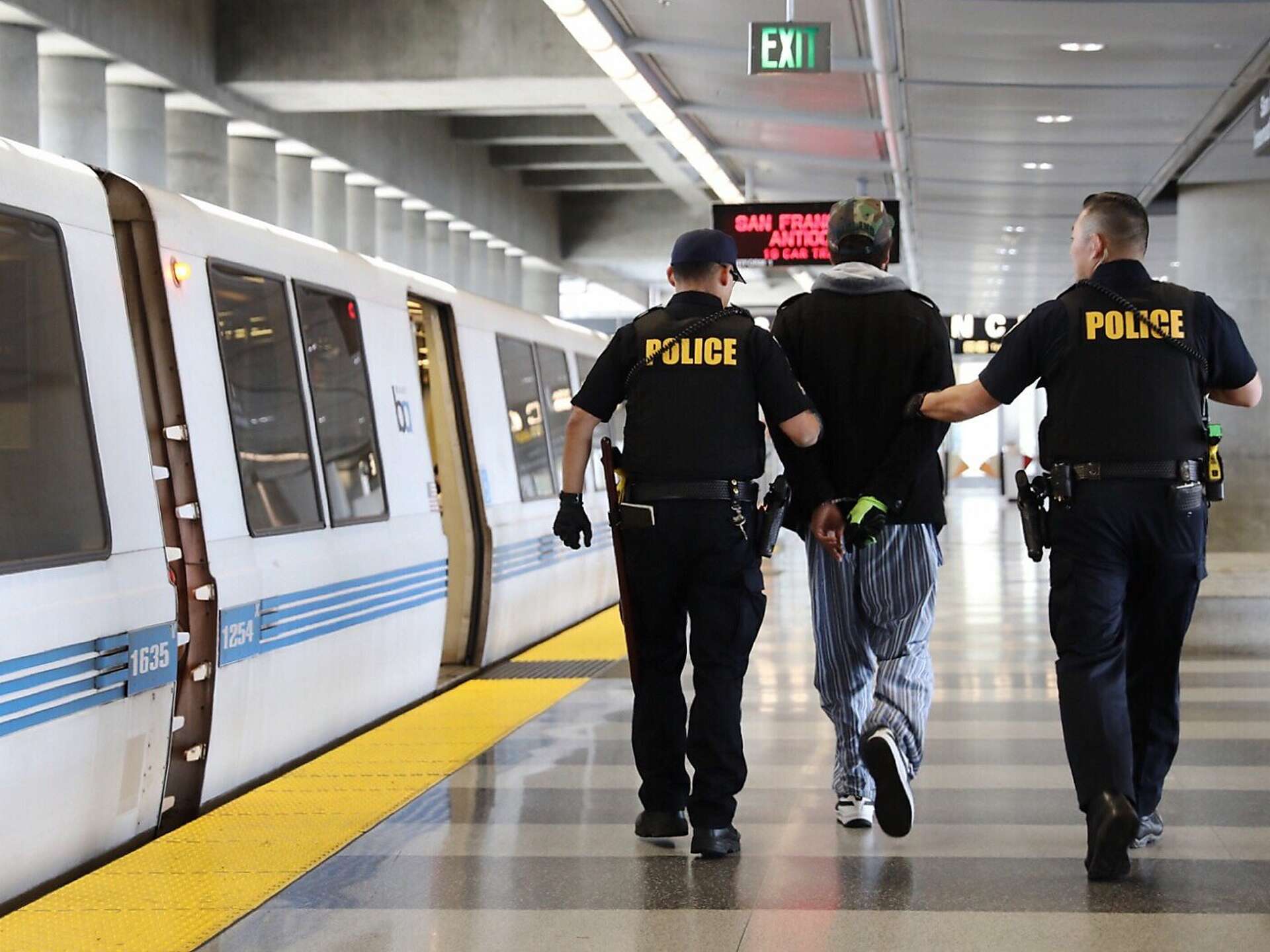
Now, that being said, BART is doing a few things right. BART still removes an estimated 180,000+ car trips from Bay Area roads daily, provides a lifeline for people that don't want to or can't feasibly drive or be driven to work or school, and safety on BART trains has actually been improving - since 2025, crimes against persons have dropped 59% at BART stations, and the customer satisfaction rate rose from ~70% to 88%.

07
07 - Government Interaction Today

How The Government Affects BART in 2026

BART is a special district, which means it was created by state legislation but governed independently of city and county governments directly by a nine-member Board of Directors directly elected by voters. In 2016, voters approved a ballot measure called Measure RR - a $3.5 billion property-tax carried bond with over a 70% approval rate. It's currently one of the strongest supported mandates for public transport infrastructure in US history.

Besides that, though, the government supports BART in two other ways: in 2025, the California Legislature enacted Senate Bill 63 - authorizing a 14-year regional sales tax measure for the November 2026 ballot. If it passes, BART gets an estimated $310M annually starting FY28. In addition, the Federal Transit Administration provides Capital Investment Grants, safety oversight, and formula funds. BART has received over $3 billion in federal funding since 2000. Besides this, though, BART is mainly run by its Board of Directors, NOT by the state or federal Government (unlike many other public transit systems).

08
08 - International Comparison!

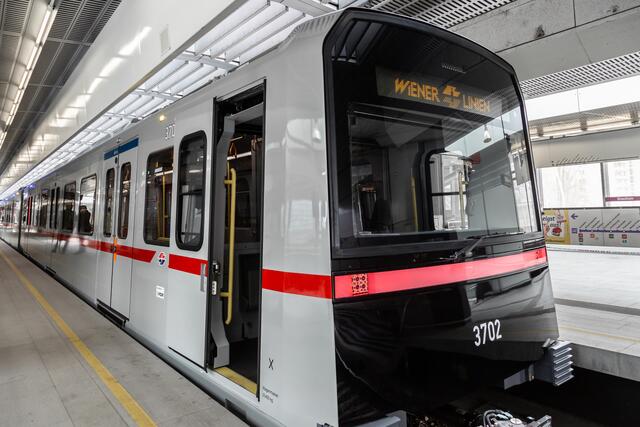
BART vs. Munich and Vienna

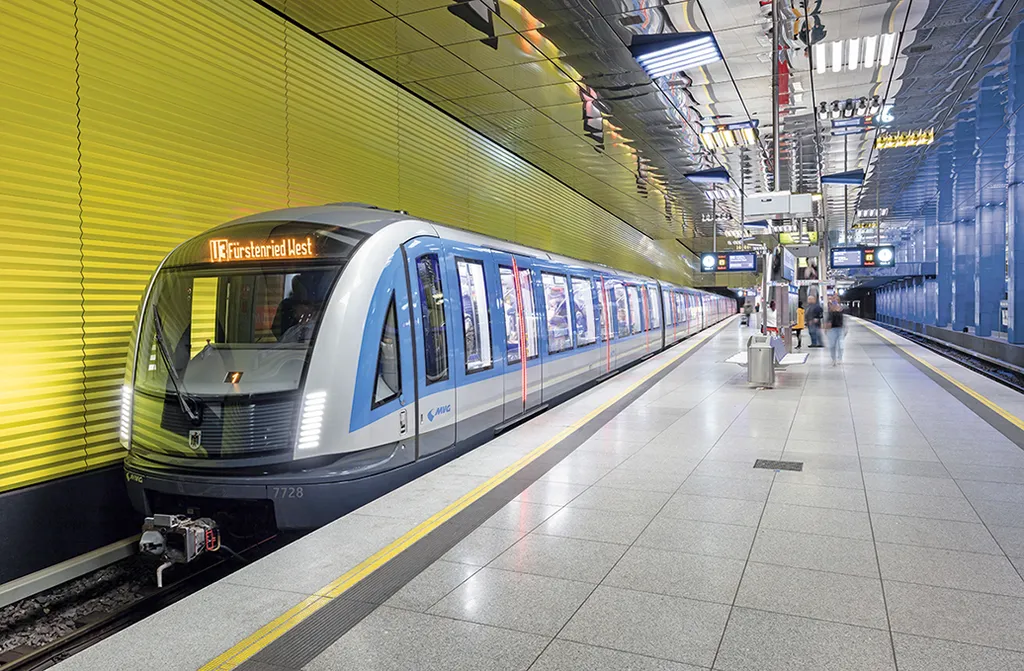
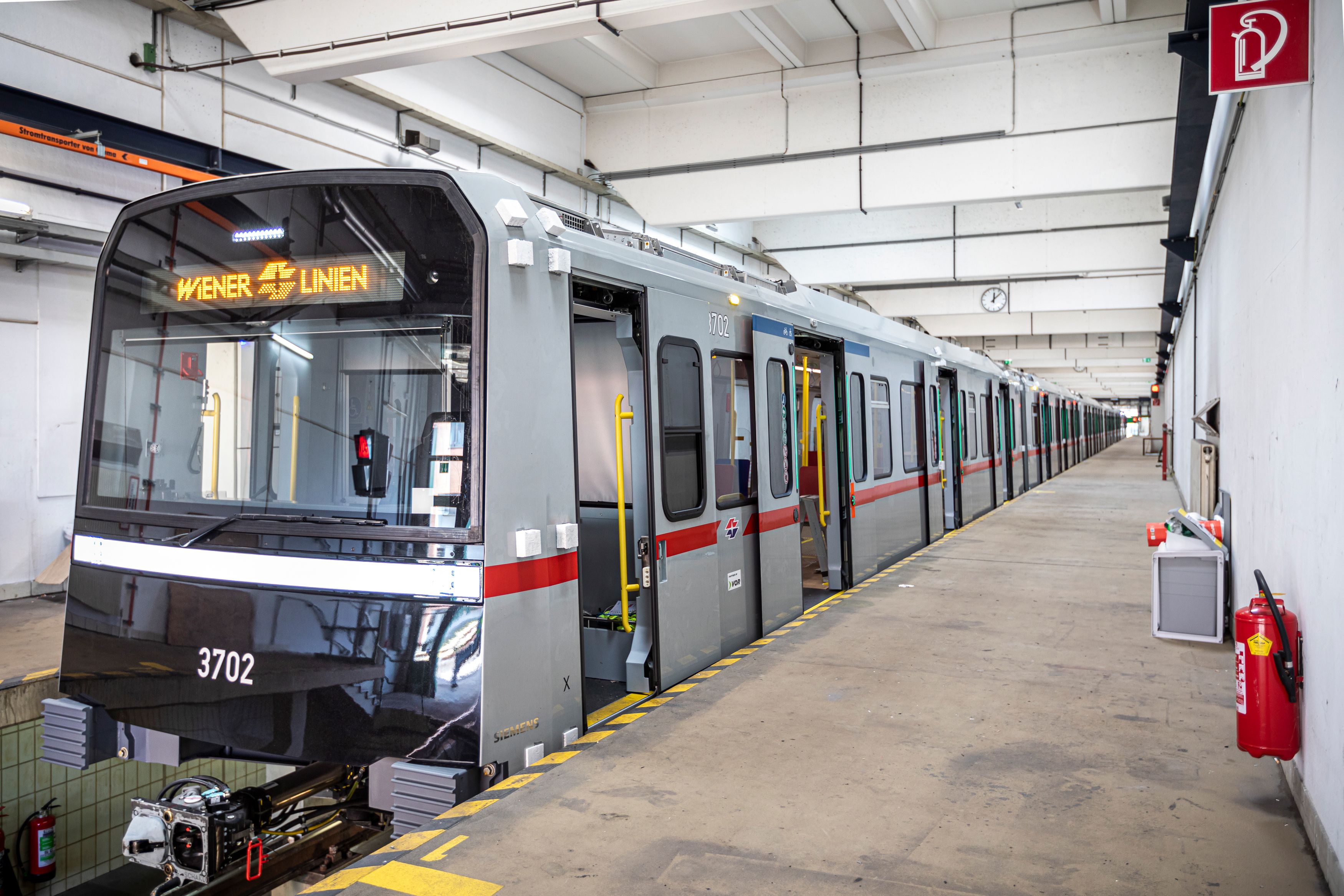
Comparing BART to transit systems in Germany and Austria shows just how far behind it is. The most important gap here lies in frequency (which, in turn, relies on funding). Munich runs trains every 4-5 minutes. Vienna every 2-3. BART? 15-20 minutes, if you're lucky. Below, departures of all 3 systems are shown in real time, as well as a simplified route map (this is real data obtained from the BART, MVB, and WL APIs).

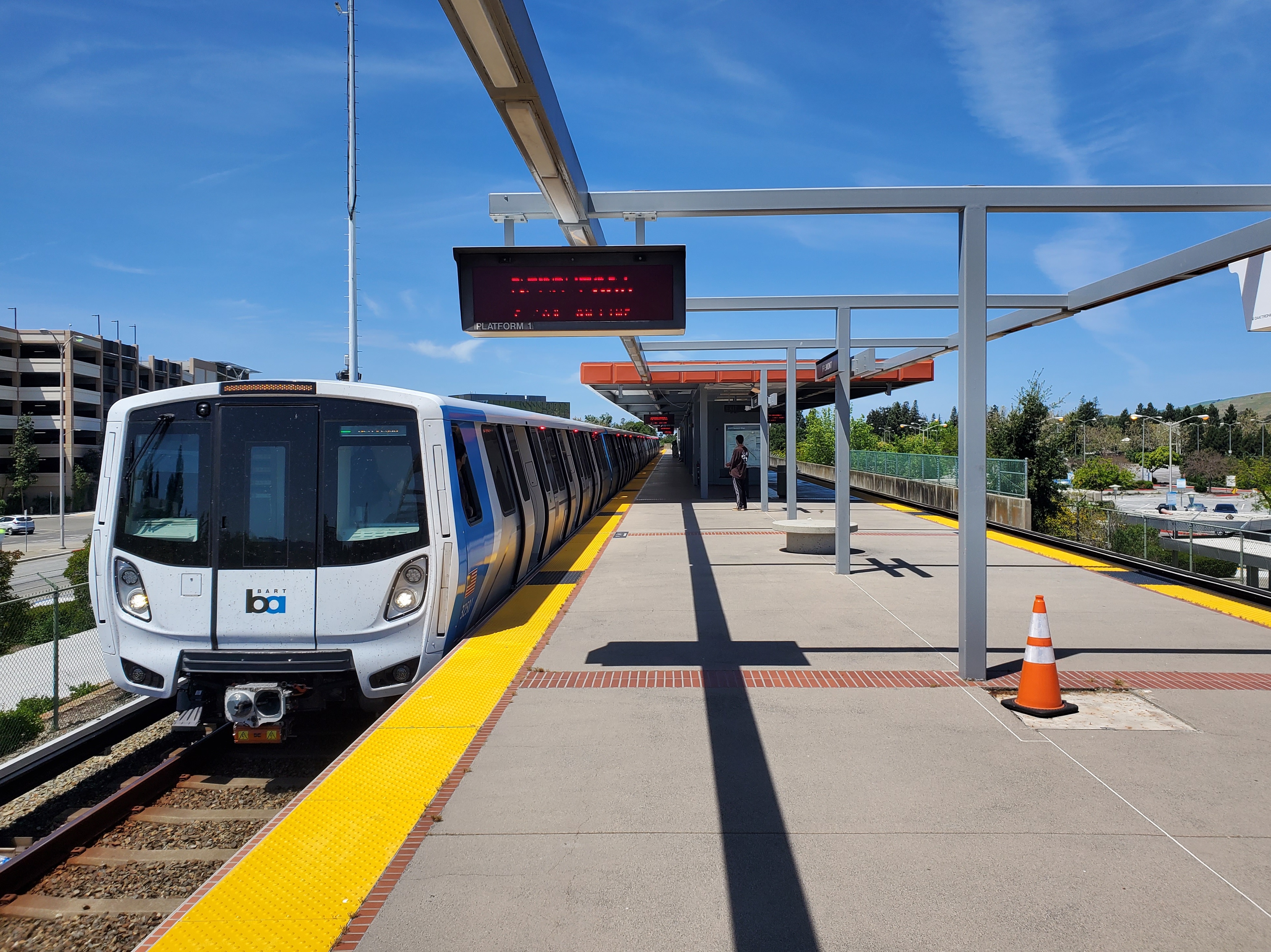
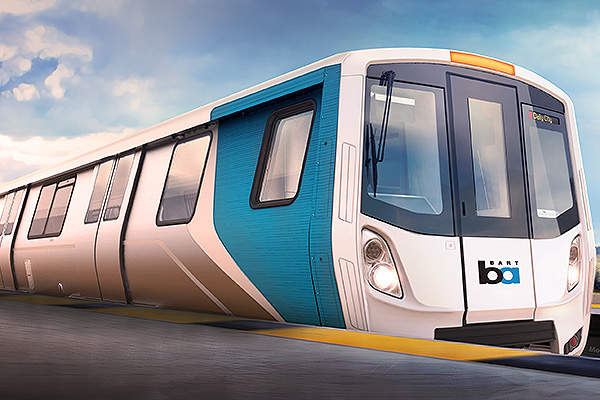
BART train
🇺🇸
BART
San Francisco, California
Daily riders~170K
Track length131 Miles
Stations50
Headway (avg.)15-20 min
24-hour service?No
Farebox Recovery %~30%
Live Departures - Network-Wide
Loading BART API…
München MVG U-Bahn
🇩🇪
München MVG U-Bahn
Munich, Germany
Daily riders~1.3M
Track length64 Miles
Stations100
Headway (avg.)4-5 min
24-hour service?Yes, Fri-Sat
Farebox Recovery %~42%
Live Departures - Hauptbahnhof
Loading MVG API…
Vienna U-Bahn
🇦🇹
Vienna U-Bahn
Vienna, Austria
Daily riders1.5M
Track length52 Miles
Stations109
Headway (avg.)2-3 min
24-hour service?Yes, 24/7
Farebox Recovery %~45%
Live Departures - Karlsplatz
Loading Vienna U-Bahn API…

Vienna (obviously) is quite a bit more impressive than BART. Why is that, you may ask? Well, it's mainly due to Vienna's 365-Euro Annual Pass that lets you use ALL forms of public transport within Vienna an unlimited amount of times for only one euro a day. This is the sole reason why Vienna is one of the world's largest transport hubs, and the only reason why they're able to maintain a less than 40% car ownership rate (Bay Area: 85%!). Also, crime rates in Vienna are lower, and the Wiener Linien transport system agency is 100% city-owned. Finally, stations are spaced an average of half a mile apart, compared to BART's median of 2.6 miles. All of these factors come together to make Vienna's public transport (and Europe's system in general) both intuitive to use, unified, relatively cheap, and NOT massively in debt.

09
09 - Live Train Positions

Real-Time BART Train Position Map

I thought this would be interesting to show: train positions are interpolated from BART's public ETD API. Yes, it's another map! What a shocker!

BART API Unavailable

ERROR: u dumbass are prolly running ts on localhost, api unavailable

Connecting to API... ...HOLD TIGHT :3
Source: api.bart.gov

Imminent Departures

Loading :3-

Line Legend

Red - Richmond - Millbrae
Yellow - Antioch - SFO
Orange - Richmond - Berryessa
Blue - Dublin - Daly City
Green - Berryessa - Daly City

Active Trains

-
(approximately)
10
10 - Verdict

Was BART Good for the Community?

Yes, at least overall. That being said, there were some quite important caveats.

BART transformed Bay Area mobility for over 50 years. It removes hundreds of thousands of car trips daily, connects lower-income communities in the outer East Bay to economic opportunity in San Francisco and Oakland, and has anchored transit-oriented development across the region. For riders who have no car alternative, which is quite a significant share of the ridership, it's not optional.

However, BART's history includes failures too: the displacement of working-class communities during construction, a regressive funding structure that burdens non-riders, the post-COVID fiscal collapse, and service headways that put it decades behind what peer cities consider normal. The proposed station closures would fall hardest on people who can't afford alternatives.

The deeper question at hand is not if BART was good for the community - it was - it's whether the Bay Area, one of the wealthiest regions on earth, is willing to treat transit as essential public infrastructure. Vienna and Munich show what that looks like. Unfortunately, there's still a missing political will - and the reform this November will tell us a great deal.

11
11 - Sources

Research Sources

[01]
BART Official History. bart.gov/about/history
[02]
BART Fiscal Crisis page (2026). bart.gov/about/financials/crisis
[03]
Knight, Heather and Karlamangla, Soumya. "The Bay Area Considers the Unthinkable: Life Without BART." New York Times, March 10, 2026.
[04]
SF Standard: "Riders say BART station closures could upend work and commutes." March 10, 2026.
[05]
BART Property Values study. bart.gov - Property Values PDF
[06]
Key System history. Wikipedia - Key System
[07]
FoundSF: "Planning and Selling BART." foundsf.org
[08]
BART ETD API - Real-time departure data. Key: MW9S-E7SL-26DW-CV4X. api.bart.gov/docs
[09]
MVG (Münchner Verkehrsgesellschaft) Departure API. mvg.de
[10]
Wiener Linien Open Government Data Real-time API. wienerlinien.at/ogd_realtime
[11]
BART Measure RR Oversight. bart.gov/about/reports/measurerr
[12]
Federal Transit Administration National Transit Database 2022. transit.dot.gov/ntd